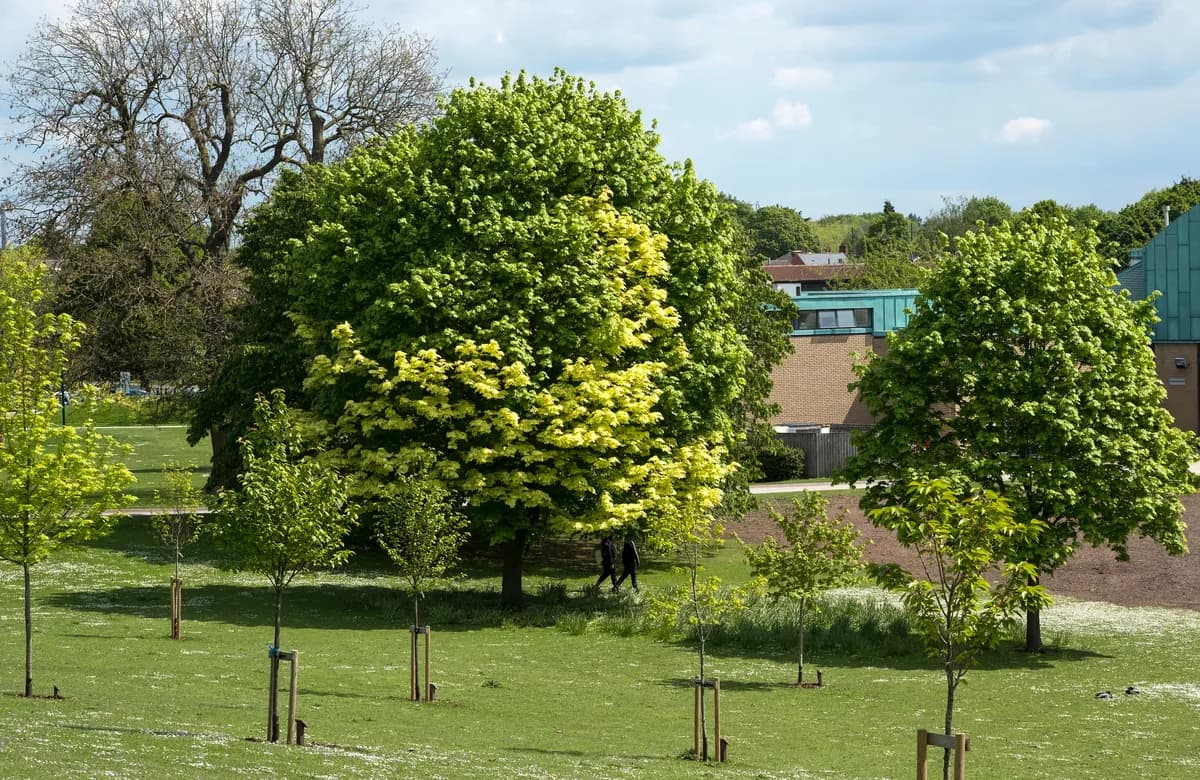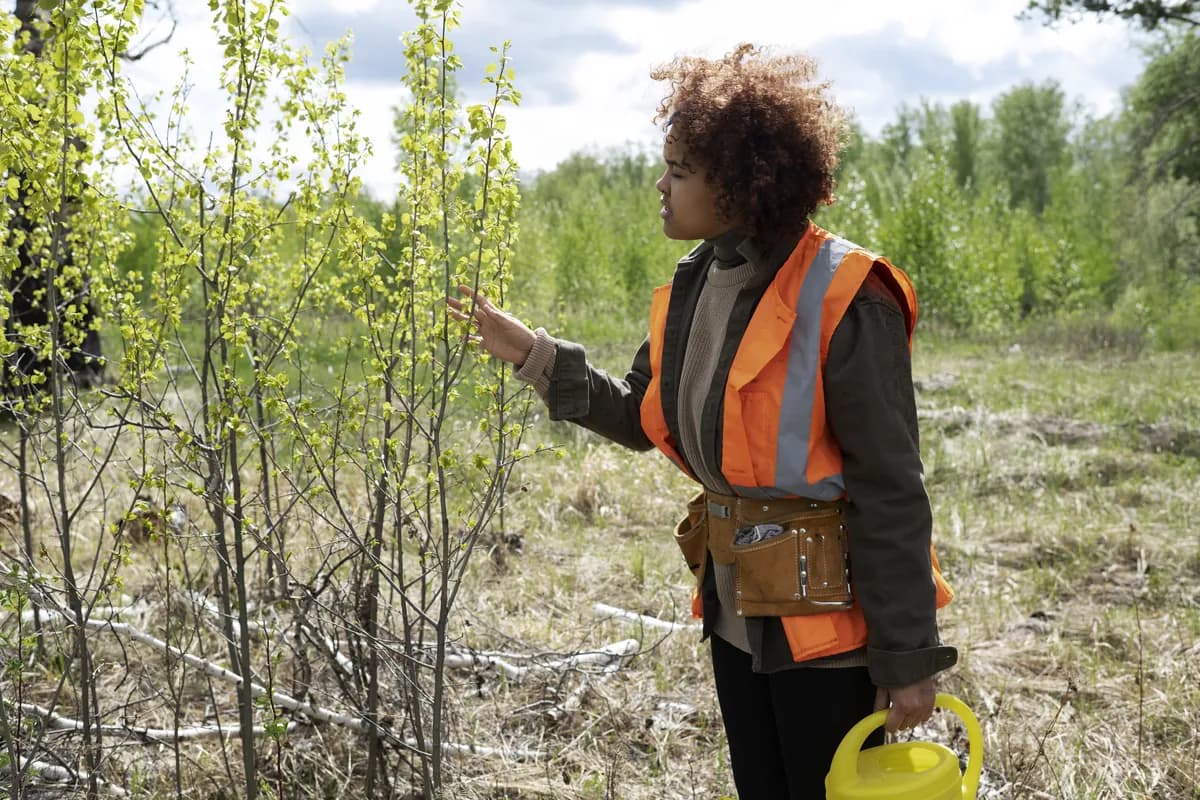
As Minnesota's winter frost melts and temperatures begin to warm, spring is the perfect time to evaluate your trees and prepare them for vigorous new growth. After months of harsh winter weather, trees need proper assessment and care to ensure they're healthy and ready for the growing season.
Inspect for Winter Damage
Winter can be tough on trees. Heavy snow, ice storms, and extreme cold temperatures can cause significant damage. Begin spring by walking around your property and looking for:
- Broken or hanging branches
- Split or cracked bark
- Leaning or uprooted trees
- Signs of animal damage
- Dead branches throughout the canopy
Prune Dead and Damaged Wood
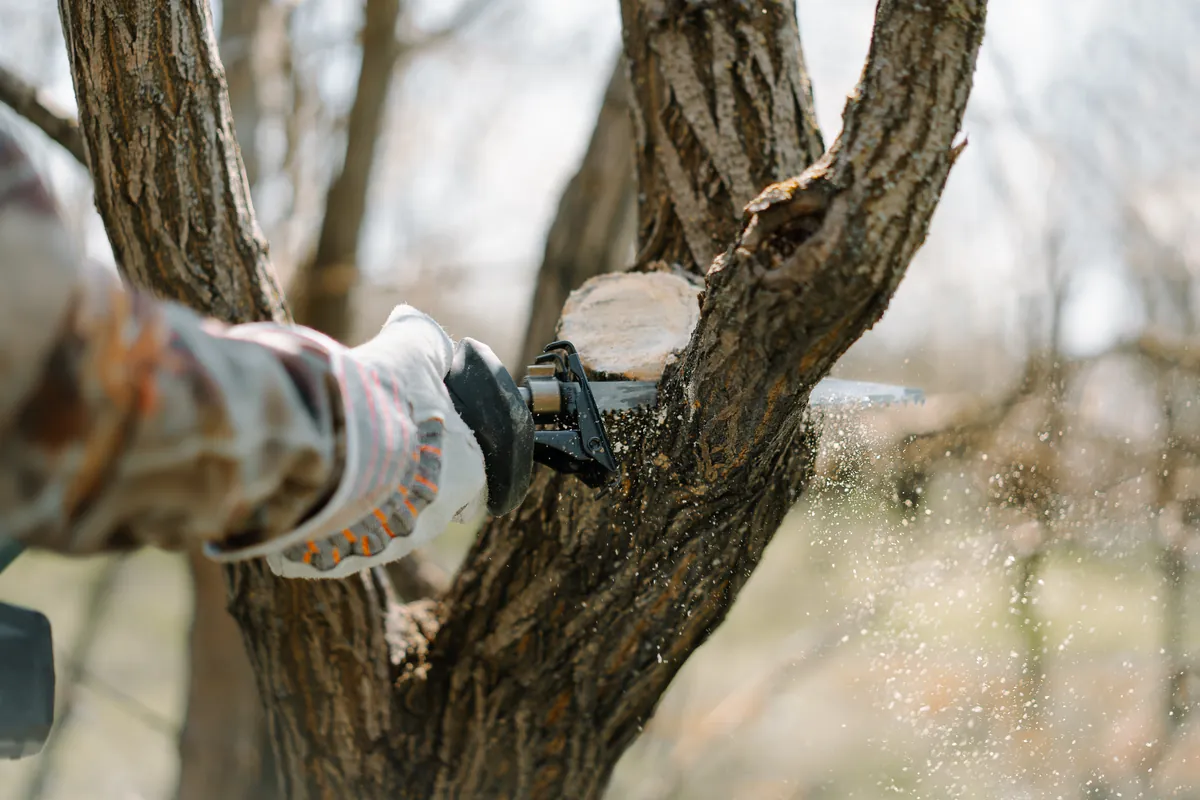
Spring is an excellent time to remove dead branches and address winter damage. Removing dead wood improves the tree's appearance, redirects energy to healthy growth, and reduces pest and disease issues. However, it's important to prune correctly to avoid harming the tree.
When pruning, always cut just outside the branch collar — the slightly swollen area where the branch meets the trunk or a larger branch. This promotes faster healing and reduces the chance of disease entry.
Apply Mulch and Soil Care
Spring is ideal for refreshing mulch around tree bases and improving soil conditions. A fresh 2-3 inch layer of organic mulch helps retain moisture, regulates soil temperature, and reduces weed competition. Avoid piling mulch directly against the trunk — this is known as "volcano mulching" and can cause rot.
Best Mulching Practices
- Depth: Keep mulch 2-3 inches deep
- Distance: Start mulch 3-4 inches from the trunk
- Width: Extend mulch to the tree's drip line when possible
- Material: Use organic mulch like wood chips or shredded bark
Watch for Pests and Diseases
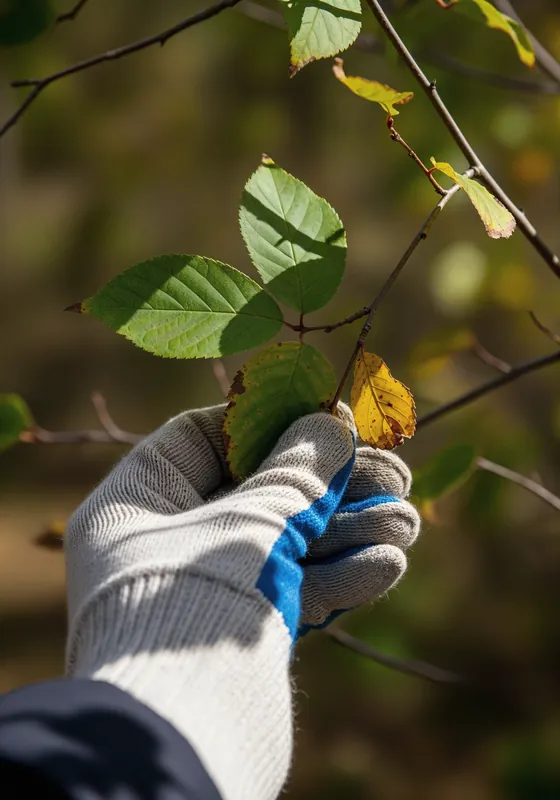
As warming temperatures activate insects and fungal growth, monitor your trees for signs of problems. Watch for unusual discoloration, pest activity, or signs of disease. Early detection makes treatment much more effective.
Common spring pests in Central Minnesota include emerald ash borer, Japanese beetles, and various caterpillar species. If you notice defoliation, unusual holes in leaves, or sawdust-like material at the base of your tree, contact a professional arborist.
Schedule Professional Assessment
If you're unsure about your tree's health or need help with spring maintenance, call us for a free professional assessment. Our certified arborists can identify problems and recommend the best care plan for your trees.
Need Help With Your Trees?
Our certified arborists are ready to help with any tree care needs. Contact us for a free, no-obligation estimate.